
Traditional Hawaiian Tattoo (Kākau): The History, Art, and Meaning Behind Island Tattoos
A traditional Hawaiian tattoo is more than an artistic design placed on the skin. Known as kākau, traditional Hawaiian tattooing is a cultural practice connected to identity, ancestry, personal experiences, and the relationship between people and the islands of Hawaii.
Unlike many modern tattoo styles that focus mainly on appearance, traditional Hawaiian tattoos were created to tell a story. Every pattern, placement, and symbol could represent a person’s family, journey, values, protection, or connection to the natural world.
Today, Hawaiian tattoos continue to inspire people from Hawaii and visitors from around the world. However, understanding the history behind kākau helps ensure that these designs are approached with respect and appreciation for their cultural roots.
For those looking for traditional Hawaiian tattoo designs in Hawaii, learning the meaning behind the art is the first step toward creating a tattoo that feels personal and authentic.
What Is a Traditional Hawaiian Tattoo Called?
The traditional Hawaiian tattoo is called kākau. The word refers to the ancient Hawaiian tattooing practice that has been passed down through generations.
Kākau is part of the wider Polynesian tattoo tradition, where body markings have long represented personal history, social identity, family connections, and important life events. While Polynesian tattoo styles share some similarities, Hawaiian tattooing developed its own patterns, meanings, and cultural expressions connected to the Hawaiian islands.
Traditional Hawaiian tattoos were not simply decorative artwork. They were a visual language that allowed people to carry their stories on their bodies.
A skilled tattoo artist would consider:
The person’s background and life experiences
The meaning they wanted their tattoo to represent
The natural elements connected to their story
The placement of the tattoo on the body
This approach is very different from choosing a random design from a collection of tattoo images. Authentic kākau begins with meaning before the artwork is created.
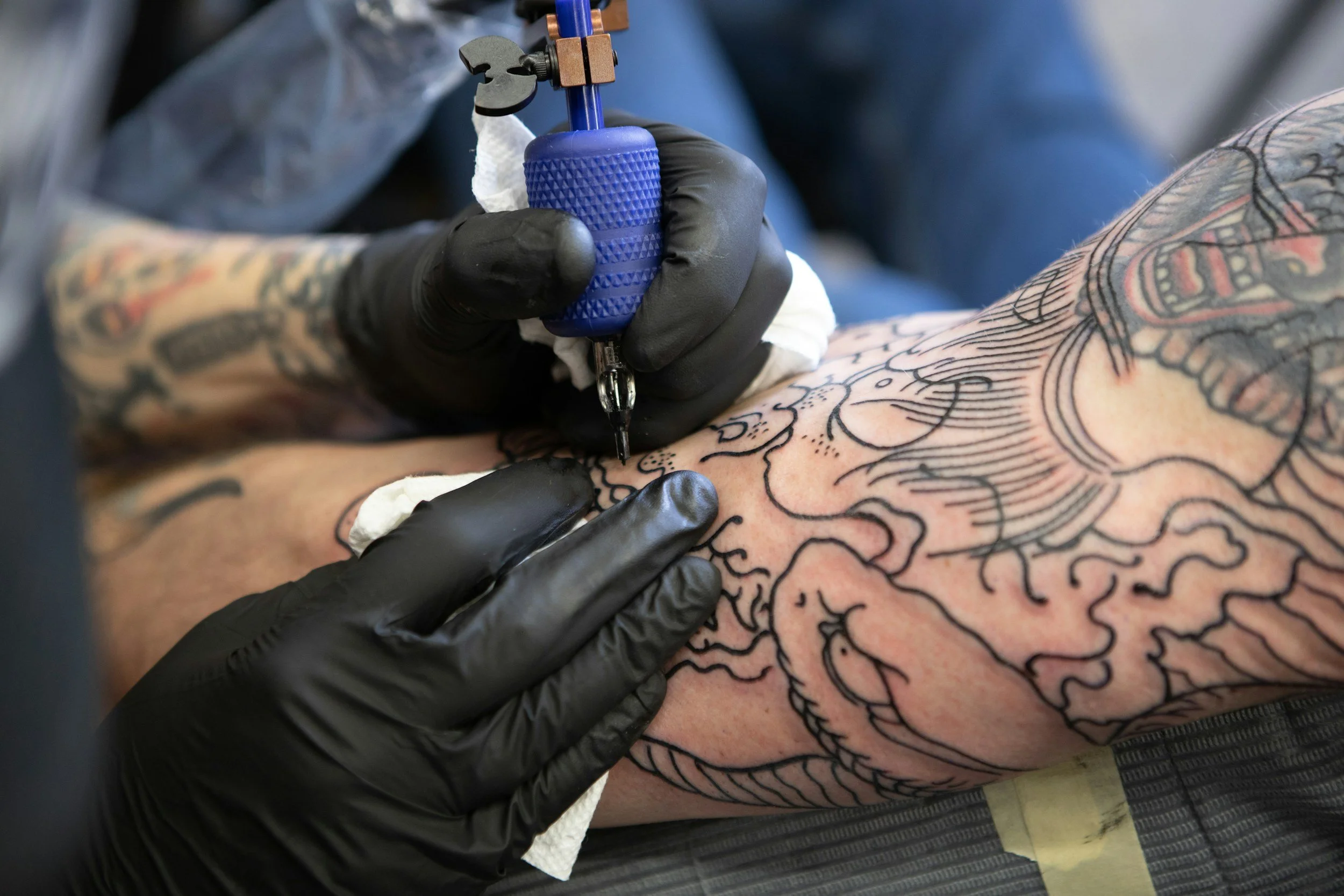
The History of Traditional Hawaiian Tattooing
Traditional Hawaiian tattooing has deep roots in Native Hawaiian culture. Before modern tattoo machines existed, Hawaiian tattoo artists used traditional tools and techniques to create permanent markings on the body.
The practice was performed by skilled tattoo specialists who understood the cultural importance of each design. Tattoos could represent family lineage, achievements, protection, spiritual beliefs, and important transitions in life.
The process was highly personal. A tattoo was not only something someone received, but something that represented who they were and where they came from.
Traditional Hawaiian tattooing was affected by outside influences throughout history, including changes brought during colonization and cultural restrictions. However, Hawaiian cultural practices experienced a revival, and kākau continues to be respected and practiced today.
Modern Hawaiian tattoo artists often combine traditional knowledge with contemporary techniques, creating designs that honor the past while allowing personal expression.
Why Traditional Hawaiian Tattoos Were More Than Body Art
A traditional Hawaiian tattoo carried meaning beyond appearance.
For many Hawaiians, tattoos represented a connection between the individual, their family, and the natural world around them.
Common purposes of traditional Hawaiian tattoos included:
Identity and Heritage
Tattoos could show a person's connection to their family, community, and Hawaiian ancestry.
The patterns chosen were often connected to personal history rather than simply selected because they looked attractive.
Personal Strength and Protection
Many traditional designs represented qualities such as courage, strength, guidance, or protection.
The tattoo became a reminder of important values carried throughout life.
Connection to Nature
Hawaiian culture has a strong relationship with the ocean, land, and animals of the islands.
Elements from nature often appear in Hawaiian tattoo designs because they represent important relationships between people and their environment.
Traditional Hawaiian Tattoo Symbols and Their Meanings
While each tattoo should be understood in its personal and cultural context, certain elements commonly appear in Hawaiian tattoo artwork.
Shark Teeth (Niho Mano)
Niho mano patterns are among the most recognizable Polynesian tattoo elements.
Shark teeth are often associated with strength, protection, adaptability, and courage. The design is commonly incorporated into larger patterns rather than used as a standalone symbol.
Sea Turtle (Honu)
The honu, or Hawaiian green sea turtle, is closely connected with the ocean and Hawaiian culture.
It is often associated with:
Longevity
Protection
Guidance
Connection to the sea
Many people choose honu-inspired designs because of their personal connection to Hawaii and the ocean.
Ocean Waves
Wave patterns represent the importance of the ocean in Hawaiian life.
They can symbolize:
Travel and journeys
Change
Connection to nature
The rhythm of life
Spearhead Patterns
Spearhead designs traditionally connect with ideas of strength, courage, and warrior spirit.
In modern Hawaiian tattoo designs, these patterns are often integrated into sleeves and larger compositions.
How Traditional Hawaiian Tattoo Designs Are Created
A meaningful Hawaiian tattoo is usually built around storytelling rather than copying an existing design.
Traditional Hawaiian tattoo artists consider how the artwork flows with the body.
For example:
Arm sleeves may follow the natural movement of the shoulder and muscles
Chest designs may represent protection and personal identity
Back pieces can create larger storytelling compositions
Leg tattoos can use movement and shape to enhance the patterns
A professional tattoo artist will often discuss your background, ideas, and the meaning you want your tattoo to represent before creating the final design.
This custom approach creates a tattoo that belongs specifically to the person wearing it.
Popular Hawaii Island Tattoo Designs Today
Today, Hawaii island tattoos combine traditional influences with modern tattoo styles.
Some popular choices include:
Traditional Hawaiian Sleeves
Full and half sleeves allow artists to create larger compositions with multiple patterns connected together.
Ocean-Inspired Hawaiian Tattoos
Many people choose designs inspired by Hawaii’s relationship with the sea, including waves, turtles, and marine elements.
Hawaiian Tribal Tattoos
Modern tribal-inspired tattoos often use bold black patterns influenced by traditional Polynesian artwork.
Minimal Hawaiian Tattoos
Some people prefer smaller designs featuring one meaningful element rather than a large tattoo piece.
Traditional Hawaiian Tattoo vs Modern Hawaiian Tattoo
Traditional Hawaiian Tattoo (Kākau)
Connected to cultural traditions
Uses traditional patterns and meanings
Created with cultural understanding
Created with cultural understanding
Modern Hawaiian Tattoo
Often focused on personal expression
May combine different tattoo styles
May include contemporary artwork
Often represents personal experiences
Both approaches can create meaningful tattoos when designed thoughtfully.
How to Choose a Meaningful Hawaiian Tattoo Design
Choosing a Hawaiian tattoo should begin with understanding the story you want your tattoo to tell.
Consider:
Research the Cultural Meaning
Learn about the history and symbolism behind the designs you are interested in.
Think About Your Personal Connection
The strongest tattoos usually represent something meaningful from your own life.
Work With an Experienced Tattoo Artist
A knowledgeable artist can help create a design that respects Hawaiian tattoo traditions while making it unique to you.
At Black Palette Tattoo, artists work with clients to create custom tattoo designs inspired by Hawaii’s culture, environment, and artistic traditions.
Explore our Polynesian and tribal tattoo work in Hawaii
Where to Get a Traditional Hawaiian Tattoo in Hawaii
Choosing the right tattoo studio is an important part of the experience.
A professional Hawaii tattoo studio should provide:
Experienced tattoo artists
Custom design consultations
Strong understanding of Polynesian and Hawaiian-inspired artwork
A clean and professional environment
Located in Waikiki, Black Palette Tattoo works with visitors and locals looking for custom tattoos inspired by Hawaii’s culture and natural beauty.
Learn more about our Waikiki tattoo studio
Frequently Asked Questions About Traditional Hawaiian Tattoos
What does a traditional Hawaiian tattoo mean?
A traditional Hawaiian tattoo, known as kākau, represents personal identity, heritage, life experiences, and connections to Hawaiian culture.
Are Hawaiian tattoos only for Native Hawaiians?
Hawaiian-inspired tattoos are chosen by people from many backgrounds. However, understanding the cultural meaning and approaching the designs with respect is important.
What are popular Hawaiian tattoo designs?
Popular designs include ocean waves, honu turtles, shark teeth patterns, spearhead patterns, and larger Polynesian-inspired compositions.
How long does a traditional Hawaiian tattoo take?
The time depends on the size, placement, complexity, and detail of the design. Large sleeves or back pieces may require multiple sessions.
Final Thoughts
A traditional Hawaiian tattoo is not just a design. It is a form of storytelling that connects art, history, nature, and personal identity.
Whether you are visiting Hawaii or looking for a meaningful tattoo inspired by the islands, understanding kākau allows you to appreciate the tradition behind the artwork.
A well-designed Hawaiian tattoo should reflect your own story while respecting the cultural roots that make this style unique.
If you are looking for a custom traditional Hawaiian tattoo in Waikiki, Black Palette Tattoo can help you create a design inspired by the beauty and heritage of Hawaii.
