
How Long Does It Take For Ear Piercings To Heal? A Realistic Timeline
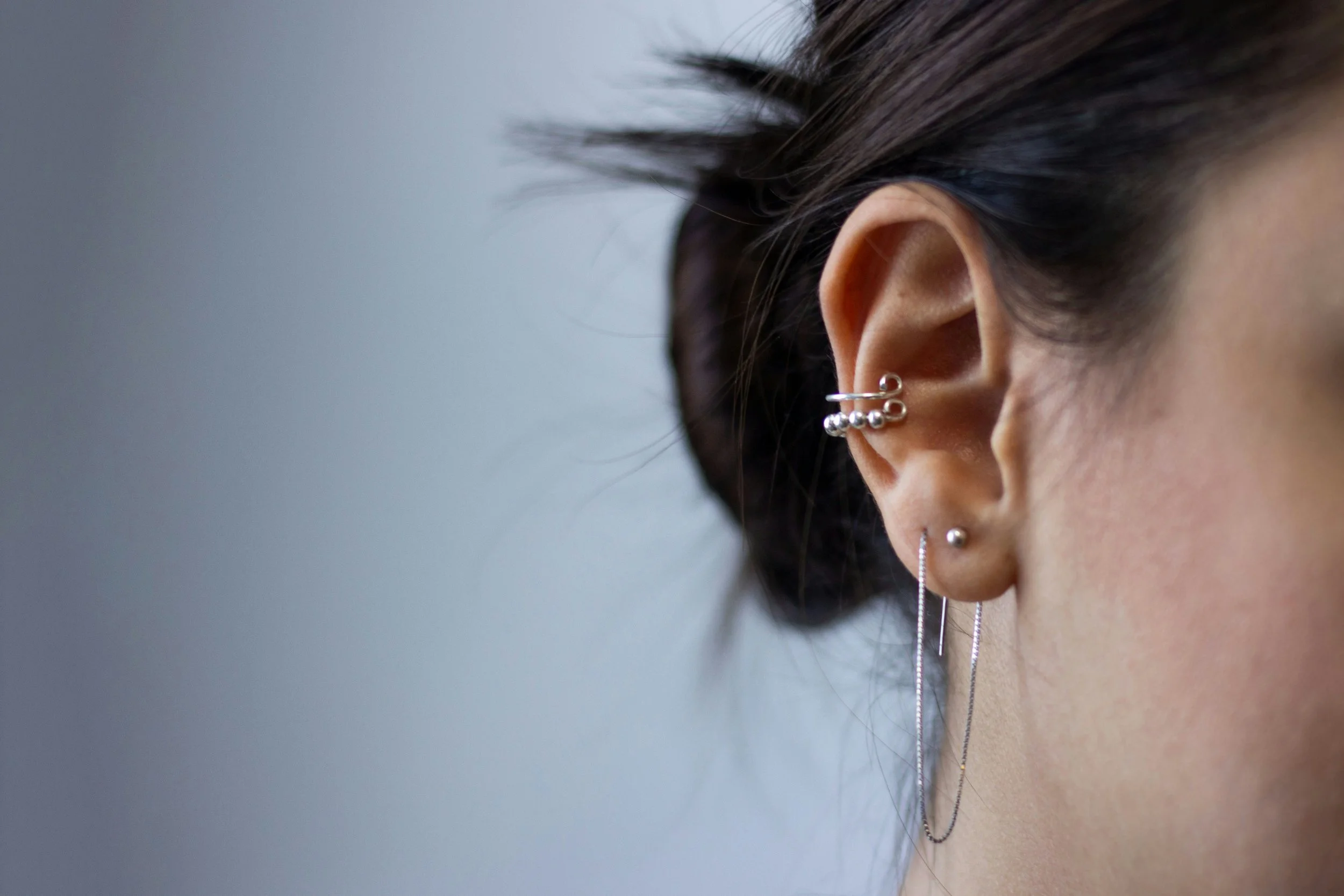
Getting your ears pierced is quick. Healing them is not. That gap between the two is where most people run into trouble, because the piercing feels fine after a couple of weeks and the assumption kicks in that the job is done. It usually isn't. Depending on where the piercing sits on your ear, full healing can take anywhere from six weeks to well over a year, and treating a cartilage piercing like a standard lobe piercing is one of the fastest ways to end up with irritation, bumps, or a piercing that never quite settles.
The honest answer to how long ear piercings take to heal is that it depends almost entirely on what kind of tissue was pierced. Soft lobe tissue has good blood flow and recovers quickly. Cartilage does not. Understanding that difference, and being patient with the slower ones, makes the difference between a piercing you forget about and one you fight with for months.
Why Healing Time Actually Matters
It is tempting to treat healing time as a technicality, something you skim past on the aftercare card. But the timeline is the whole game. A piercing that looks healed on the outside can still be raw inside the channel, and that inner tissue is what determines whether the piercing stays comfortable long term.
The main risk of underestimating healing time is changing jewelry too early. When you swap out a piece before the fistula, the tunnel of skin that forms inside the piercing, has fully matured, you tear tissue that was in the middle of repairing itself. That restarts the clock and often makes the second round of healing worse than the first. It also opens the door to infection, since you are introducing a new object into an open wound.
The second risk is stopping aftercare too soon. People tend to clean diligently for two or three weeks, then taper off once the tenderness fades. For lobes, that timing is roughly acceptable. For cartilage, quitting at three weeks means abandoning a wound that has months of work left ahead of it. Irritation bumps, the small raised lumps that show up next to helix and conch piercings, are frequently the result of aftercare ending early combined with jewelry that gets bumped in daily life.
There is also the simple matter of expectation. If you know a helix piercing takes the better part of a year, the occasional flare-up at month four feels normal rather than alarming. If you thought it would heal in six weeks, that same flare-up feels like something went wrong, and people start over-cleaning, switching products, or picking at it. Most piercing problems are made worse by panic, not by the piercing itself.
Lobe Piercings: The Fastest Healers
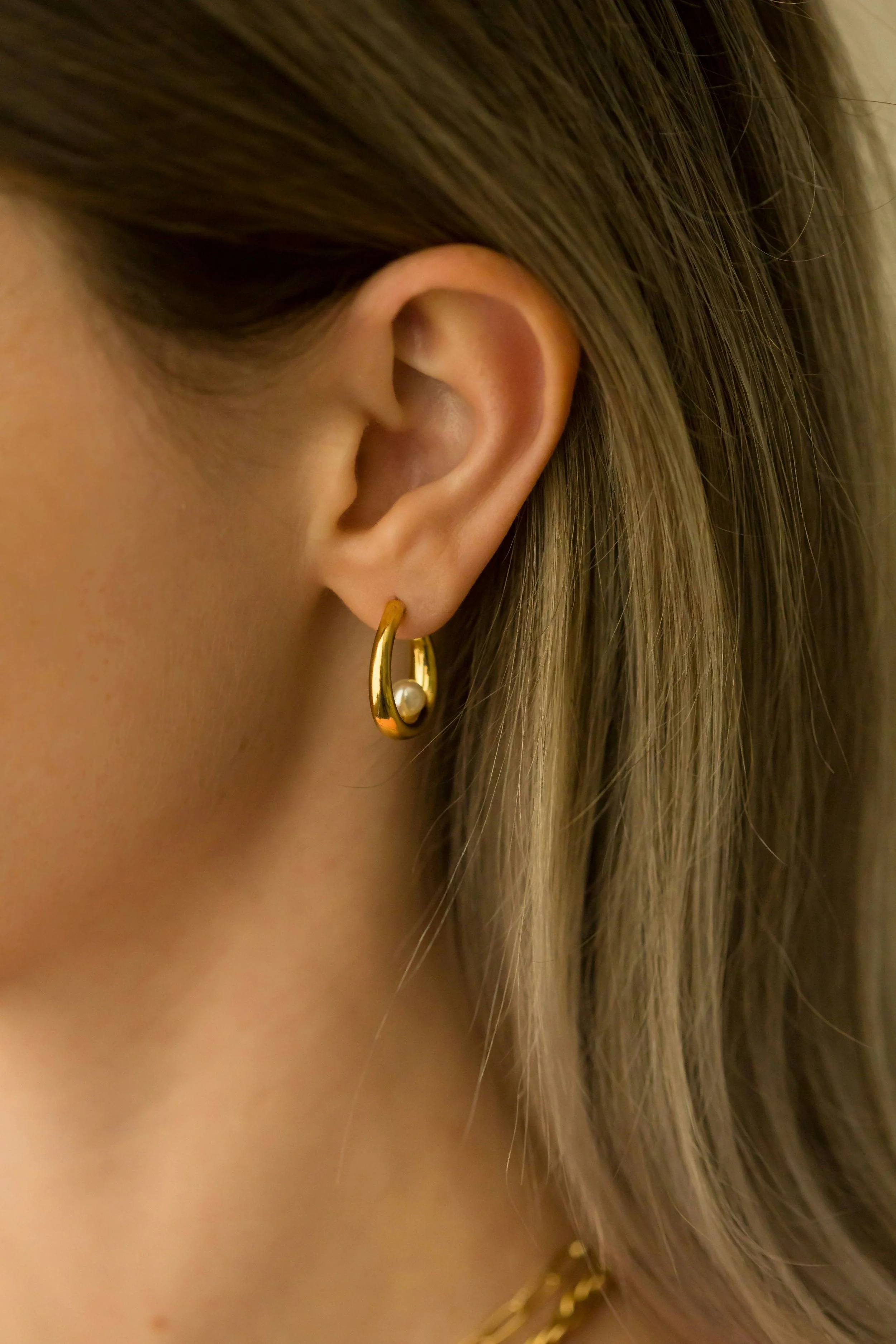
Standard lobe piercings sit in soft, fleshy tissue with strong blood circulation, and blood flow is what carries healing resources to a wound. That is why lobes recover faster than anything else on the ear.
Most lobe piercings are functionally healed in six to eight weeks, and many piercers will give the go-ahead to change jewelry somewhere in that window as long as there is no tenderness, no discharge, and no redness. Some people heal a bit faster, some take closer to ten or twelve weeks, and that variation is normal. Age, general health, sleep, and whether you keep catching the earring on your hair or pillow all shift the timeline.
Even after that initial healing window, the piercing continues to strengthen for a while. For the first few months it is worth avoiding heavy or dangly earrings, which pull on the channel and can stretch or irritate it. Stick to lightweight studs or small hoops until the piercing has been comfortable for a solid stretch of time.
One thing worth knowing: lobe piercings can close quickly, especially in the first year. Leaving jewelry out overnight in a piercing that is only a few months old is often enough for the hole to shrink to the point where reinsertion becomes a struggle. If a piercing has been in place for years, it becomes far more stable, though even then some people find their holes tighten up after a week or two without earrings.
Cartilage Piercings: The Long Game
Cartilage is a different tissue entirely. It has very limited blood supply, which means the body repairs it slowly and has fewer resources to fight off bacteria along the way. This is the single biggest reason cartilage piercings take so much longer and run into problems more often.
A helix piercing, the one along the outer upper rim of the ear, typically takes six to twelve months to heal fully. Some people are on the shorter end of that, some push past a year. A forward helix, tragus, or conch piercing lands in a similar range, often six to twelve months, with the conch sometimes running longer because of how thick the tissue is there.
Industrial piercings, which connect two holes with a single straight barbell, are among the slowest. Because the bar spans the ear, any bump or snag transfers force to both piercing sites at once. Healing commonly takes nine months to a year and a half, and they are notorious for irritation bumps along the way.
Daith and rook piercings, tucked into the inner folds of the ear, generally run six to twelve months as well. Their tucked position protects them from getting caught on things, which helps, but the tight anatomy can make cleaning awkward.
Here is the part people find frustrating: cartilage piercings often stop hurting long before they finish healing. The tenderness might fade at week three, and the piercing looks entirely unremarkable by month two. That surface calm has nothing to do with what is happening inside the channel. This is exactly why cartilage jewelry should stay in place, untouched, far longer than instinct suggests.
What Actually Helps Healing Go Smoothly
The most effective thing you can do is leave the piercing alone. Not neglect it, but stop handling it. Twisting jewelry, rotating studs, and touching the area with unwashed hands are all habits that were once standard advice and are now understood to slow healing considerably. Every rotation drags bacteria and crusted material through the fresh channel.
Cleaning should be simple. Sterile saline solution, applied once or twice daily, is enough for the vast majority of piercings. Alcohol, hydrogen peroxide, tea tree oil, and antibacterial ointments are all harsher than a healing piercing needs and can dry out or damage the tissue. If a piercer gave you specific instructions, follow theirs over anything you read online.
Sleep is where a lot of cartilage piercings get sabotaged. Pressure from a pillow, night after night, is one of the most common causes of irritation bumps and migration. A travel pillow with the hole positioned under your ear works well, or simply training yourself to sleep on the opposite side for a few months.
Keep hair products, sunscreen, and makeup off the piercing. Wash your hands before touching it, and only touch it when you have a reason to. Be careful with headphones, hats, phone screens pressed to your ear, and pulling shirts over your head.
If a bump appears, resist the urge to treat it aggressively. Most irritation bumps come from mechanical stress, not infection, and the fix is usually removing the source of the irritation rather than adding another product. Go back to your piercer before you experiment. Signs of an actual infection, meaning significant swelling, warmth, spreading redness, or thick yellow-green discharge, warrant a visit to a doctor.
Give It More Time Than You Think You Need
The single most useful mindset for ear piercings is to double whatever timeline you had in your head. Lobes are quick, but even they deserve a couple of months of care. Cartilage asks for the better part of a year, sometimes more, and the reward for that patience is a piercing that stays comfortable and looks good for decades.
Healing is not linear either. You may have a great month followed by a week of tenderness after you sleep on it wrong or catch it on a sweater. That does not mean the piercing has failed. It means it is still healing and something set it back slightly. Return to basic care, leave it alone, and it will settle.
If you are unsure whether a piercing is ready for a jewelry change, ask the person who pierced it. A good piercer will look at it and tell you honestly, and that five-minute conversation will save you from restarting a process you are most of the way through.
