
Tattoo Aftercare: How to Make Your Ink Last Longer
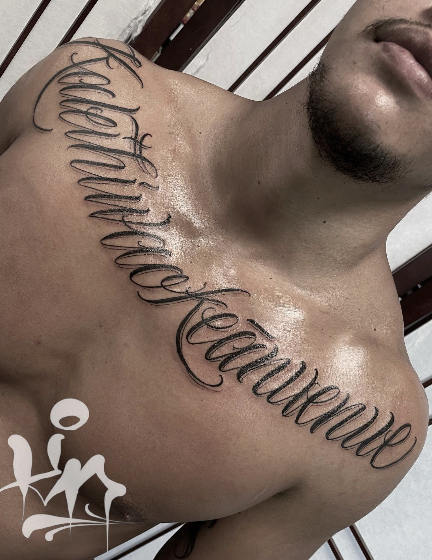
Getting a tattoo is only half the process. What you do in the days and weeks after leaving the studio has a huge impact on how your tattoo heals, how vibrant it looks, and how well it holds up over time. Proper aftercare is what separates a tattoo that stays sharp for decades from one that fades, blurs, or patches prematurely.
If you've just gotten inked at Black Palette Tattoo in Waikiki — or you're planning to — here's everything you need to know about tattoo aftercare, from the moment you walk out the door to long-term maintenance.
First, Understand What’s Happening to Your Skin
A fresh tattoo is an open wound. The needle has punctured your skin thousands of times to deposit ink into the dermis layer. Your body's natural response is to begin healing immediately — which means redness, swelling, and some oozing of ink and plasma in the first 24–48 hours are completely normal.
The surface skin typically heals within two to four weeks, but the deeper layers can take several months to fully lock in the pigment. This is why aftercare isn't just a one-week thing — it's an ongoing commitment to protecting your investment.
The First 24–48 Hours: What to Do Right Away
Your artist will cover your fresh tattoo before you leave the studio. Here’s how to handle the first critical window:
If covered with plastic wrap
Remove it within 2–3 hours. Plastic wrap traps moisture and blocks oxygen, which can slow healing and cause ink buildup under the surface. Once removed, gently wash the tattoo with lukewarm water and a fragrance-free, antibacterial soap. Pat dry with a clean paper towel — never rub. Apply a thin layer of unscented aftercare ointment like Aquaphor or A+D.
If covered with a tattoo film (Saniderm or Dermalize)
Leave it on for 4–5 days unless your artist says otherwise. You may see fluid buildup under the film — ink, blood plasma, and lymphatic fluid. This is normal. Don't drain it. If the film lifts or breaks, remove it, wash the area gently, and apply a fresh piece. When it’s time to remove, do it in the shower — the warm water makes it easier and less painful.
Weeks 1–2: The Active Healing Phase
This is when your tattoo will peel, flake, and possibly itch. Resist every urge to pick or scratch — pulling off flakes prematurely can pull ink out with them, leaving patchy or faded spots.
Do:
Wash gently 1–2 times a day with fragrance-free soap
Moisturize with a thin layer of unscented lotion 2–3 times daily
Wear loose, soft clothing over the tattoo to reduce friction
Let flakes fall off naturally
Avoid:
Picking, scratching, or peeling flaking skin
Soaking in pools, hot tubs, the ocean, or baths for at least 2–4 weeks
Direct sun exposure on the healing tattoo
Heavy exercise or excessive sweating in the first week
Tight clothing that rubs against the tattooed area
A Special Note for Tattooing in Hawaii
If you got your tattoo while visiting or living in Hawaii, there are a few extra things to keep in mind. The combination of sun, salt water, and humidity creates a unique healing environment that requires extra attention.
Skip the beach — for now. As tempting as it is, avoid the ocean for at least 2–4 weeks. Salt water can dry out the skin, fade fresh ink, and introduce bacteria to an open wound.
Sun is your tattoo’s biggest enemy. Hawaii's UV index is consistently high. Even brief sun exposure on a fresh tattoo can cause fading and damage. Keep it covered or in the shade during healing.
Watch out for sweating. The humidity and heat mean you’ll sweat more than usual. Keep the area clean and dry — sweat can irritate a healing tattoo and slow the process.
Long-Term Care: Keeping Your Ink Looking Fresh for Years
Once your tattoo is fully healed (usually 3–4 weeks for the surface, several months for deeper layers), the work isn’t over. How you treat your skin going forward determines how well your tattoo ages.
Sunscreen is non-negotiable
UV exposure is the number one cause of tattoo fading. Once your tattoo is fully healed, apply SPF 30 or higher every time you’re going to be in the sun. In Hawaii, that means pretty much every day. A broad-spectrum, mineral-based sunscreen is ideal for tattooed skin.
Moisturize consistently
Dry skin makes tattoos look dull and faded. Keeping your skin well-hydrated with an unscented lotion will maintain the vibrancy of the ink and keep the surrounding skin healthy. Make it part of your daily routine.
Stay hydrated
Healthy, hydrated skin from the inside out holds ink better. Drink plenty of water, especially in Hawaii's warm climate where dehydration is easy to overlook.
Consider a touch-up
Even with perfect aftercare, some tattoos — especially fine line or watercolor work — may need a touch-up after a year or two. This is completely normal. A quick session with your artist can restore crispness and fill in any spots where ink settled unevenly during healing.
Warning Signs to Watch For
Most tattoos heal without any issues, but it’s good to know what’s normal and what isn’t. Contact your artist or a healthcare provider if you notice:
Excessive redness, swelling, or warmth that gets worse after the first few days
Yellow-green pus or discharge (not to be confused with normal clear/white plasma)
Fever or chills
Raised, itchy bumps that persist well beyond normal healing time (possible allergic reaction)
Complications are rare when you follow proper aftercare, but prompt attention when something feels off is always the right call.
Ready to Get Inked in Waikiki?
At Black Palette Tattoo, our artists walk you through aftercare instructions before you leave the studio. We use quality inks and follow strict hygiene standards — because a great tattoo starts with a great artist, but it lasts because of great care.
Walk-ins welcome, appointments recommended. Visit us on the 3rd floor of Waikiki Shopping Plaza or book at blackpalettetattoo.com.
