
How Long Does a Nose Piercing Take to Heal and What to Expect
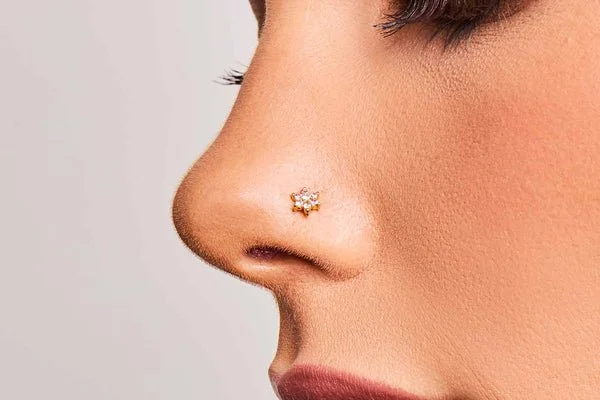
Getting a nose piercing is exciting. You sit down, pick your jewelry, take a deep breath, and walk out with something new on your face that feels like a fresh version of yourself. But then the questions start. Is it supposed to look like that? Why does it still feel tender two months later? And most importantly, how long does a nose piercing take to heal? The honest answer is longer than most people expect, and understanding what healing actually looks like can save you a lot of unnecessary stress and a few costly mistakes.
Why Healing Time Matters More Than People Think
A lot of people assume a nose piercing is healed once it stops hurting. That assumption leads to changing jewelry too early, skipping aftercare, and ending up with an infected or irritated piercing that takes even longer to recover. Healing is not just about the absence of pain. It is a biological process where your body is building new tissue around the jewelry, and that process takes time whether you feel it or not.
Changing your jewelry before the piercing is fully healed is one of the most common reasons piercings fail. Even if everything looks fine on the outside, the inside of the channel can still be raw and vulnerable. Introduce new jewelry, bacteria from your hands, or the wrong metal, and you are essentially starting the healing process over. This is why knowing accurate timelines is not just trivia. It directly affects how your piercing turns out.
The Realistic Healing Timeline for a Nostril Piercing
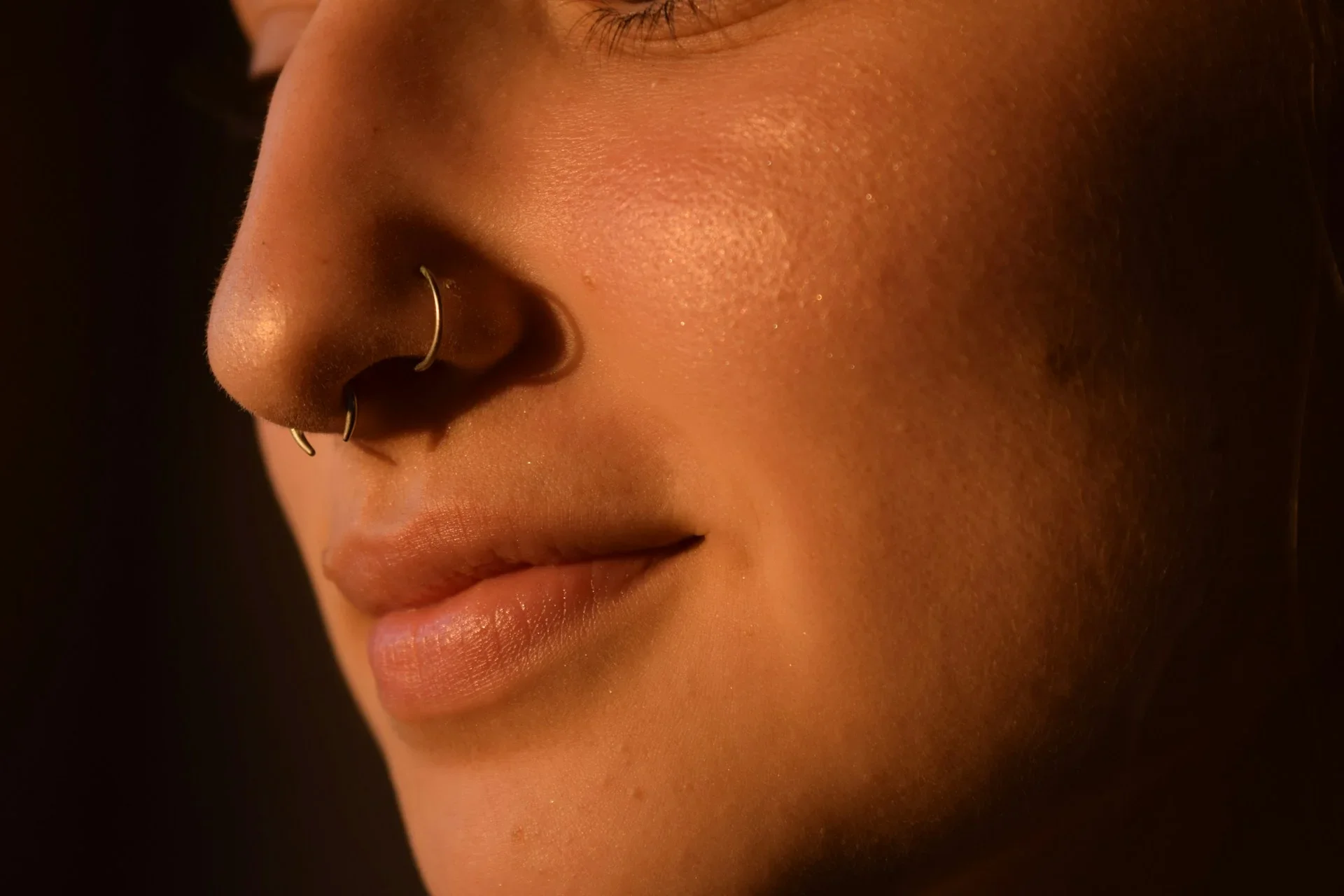
The most common nose piercing is the nostril piercing, and it typically takes between four and six months to fully heal. Some people see improvement within two or three months and assume they are done. In reality, the outer skin may close up quickly while deeper tissue continues to heal for months longer.
The first few weeks are usually the most intense. Expect swelling, tenderness, and some clear or white discharge. That discharge is lymph fluid, not infection, and it is completely normal. It dries into a crust around the jewelry, which should be gently cleaned with saline solution rather than picked or forcefully removed.
By the two to three month mark, most of the visible irritation should calm down. The piercing will start to feel more settled, but this is not the time to swap your jewelry. Professionals typically recommend waiting at least four to six months before changing anything on a nostril piercing, and some suggest waiting the full six months to be safe.
The key rule is that the outside healing faster than the inside is completely normal. If you feel any resistance, discomfort, or tightness when trying to change jewelry, that is your body telling you it is not ready yet.
How Long a Septum Piercing Takes to Heal
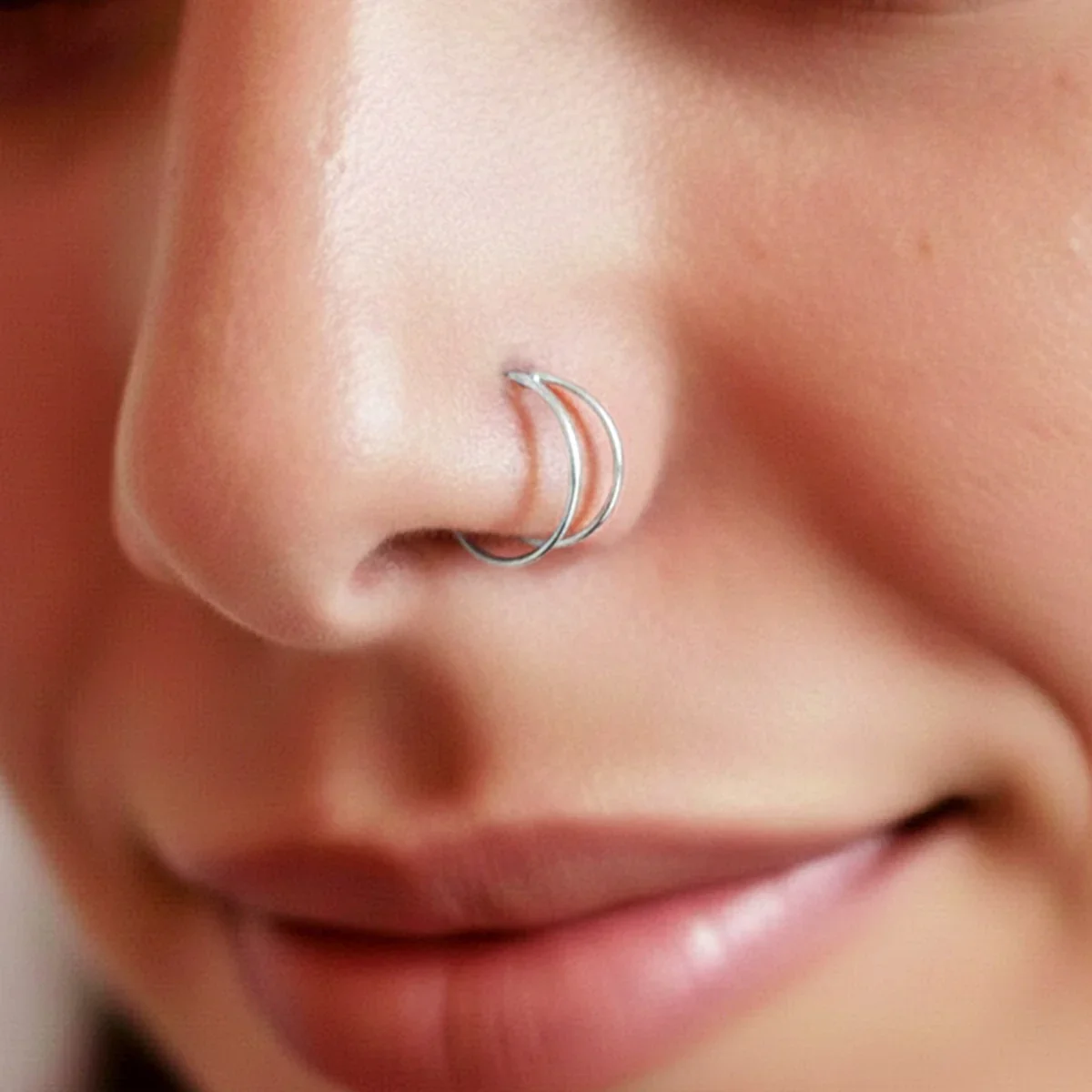
Septum piercings are a different story. The septum is the thin strip of tissue between your nostrils, and a properly placed septum piercing goes through what piercers call the sweet spot, which is softer tissue rather than cartilage. Because of this, septum piercings tend to heal faster than nostril piercings.
Most septum piercings reach a comfortable, stable state within six to eight weeks. However, full healing typically takes around six months. The shorter initial recovery is why septum piercings are often considered more beginner-friendly. They are also easier to hide during healing, since you can flip the jewelry up inside your nose if needed.
That said, faster healing does not mean you can ignore aftercare. The area is still sensitive and prone to irritation if disturbed, and sleeping on fresh piercings or touching them with unwashed hands can slow progress significantly.
What Slows Down Healing
Even with the best aftercare routine, certain habits and conditions can drag out the healing process. Touching the piercing with unwashed hands is one of the biggest culprits. Your hands carry more bacteria than most surfaces you interact with daily, and introducing that to an open wound is an easy way to cause problems.
Changing jewelry too early is another major issue. Even piercing-safe metals can cause trauma to unhealed tissue, leading to irritation bumps or prolonged soreness. If you want different jewelry, wait until you are genuinely healed and have a professional change it for you the first time.
Swimming in pools, lakes, or oceans during healing can also introduce bacteria and chemicals that interfere with the healing process. The chlorine in pools is particularly irritating to fresh piercings. If you do get your piercing wet in public water, rinse it thoroughly with saline solution afterward.
Some people also experience slower healing due to factors they cannot control, like their immune system, skin type, or even stress levels. Hormonal changes can also make piercings more sensitive. If your piercing seems to be taking longer than expected, it does not automatically mean something is wrong.
Practical Tips to Help Your Nose Piercing Heal Faster
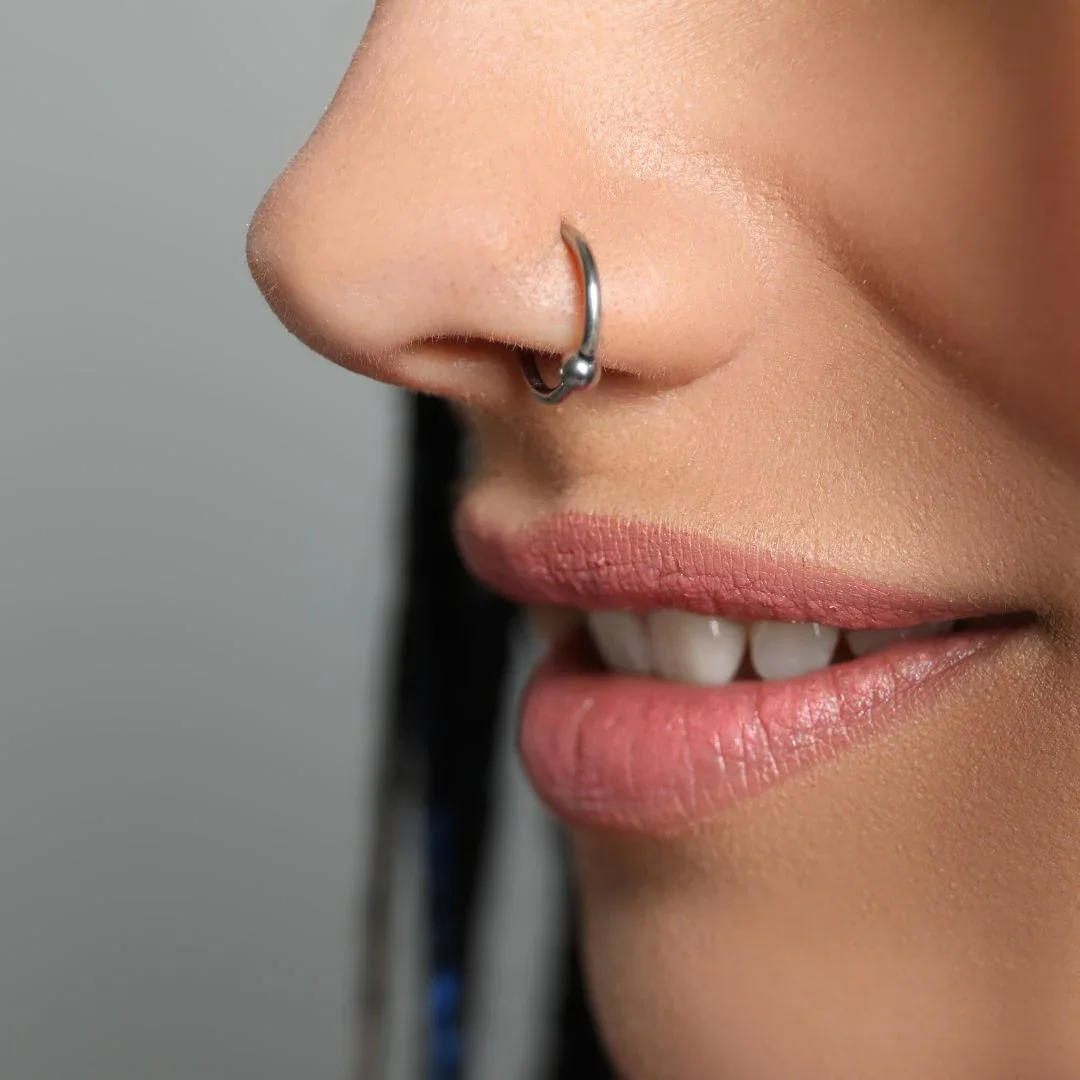
The single best thing you can do for a healing nose piercing is clean it consistently without overdoing it. Twice-daily saline solution rinses are widely recommended by professional piercers. You can buy sterile saline wound spray at most pharmacies, which makes the process simple and mess-free. Avoid using alcohol, hydrogen peroxide, or tea tree oil, as these are too harsh and can actually damage the tissue that is trying to heal.
Sleep position matters more than most people realize. Try to avoid sleeping directly on the side of your piercing. A travel pillow with a hole in the center can help if you are a side sleeper, since it takes pressure off the jewelry.
Leave the jewelry alone as much as possible. Spinning or moving it, which older advice sometimes encouraged, is no longer recommended. Keeping it still and clean is the approach that most piercers support today.
Make sure you were pierced with implant-grade titanium, implant-grade steel, solid gold, or another body-safe material. Low-quality metals slow healing and can cause allergic reactions that mimic infections.
If you suspect a true infection, meaning spreading redness, increasing pain, warmth, or unusual discharge, see a doctor rather than trying to treat it yourself or removing the jewelry. Removing a piercing with an active infection can trap bacteria inside, which can make things worse.
What You Need to Know Before You Worry
A nostril piercing typically takes four to six months to fully heal, while a septum piercing can reach full healing in a similar window but often settles faster in the early weeks. The key mistake most people make is confusing the early stages of healing with full recovery. Consistent aftercare, hands-off habits, and patience are what separate a successful piercing from a frustrating one. Give your body the time it needs, follow your piercer's guidance, and your nose piercing will thank you for it.
