
How Long After A Tattoo Can You Swim?
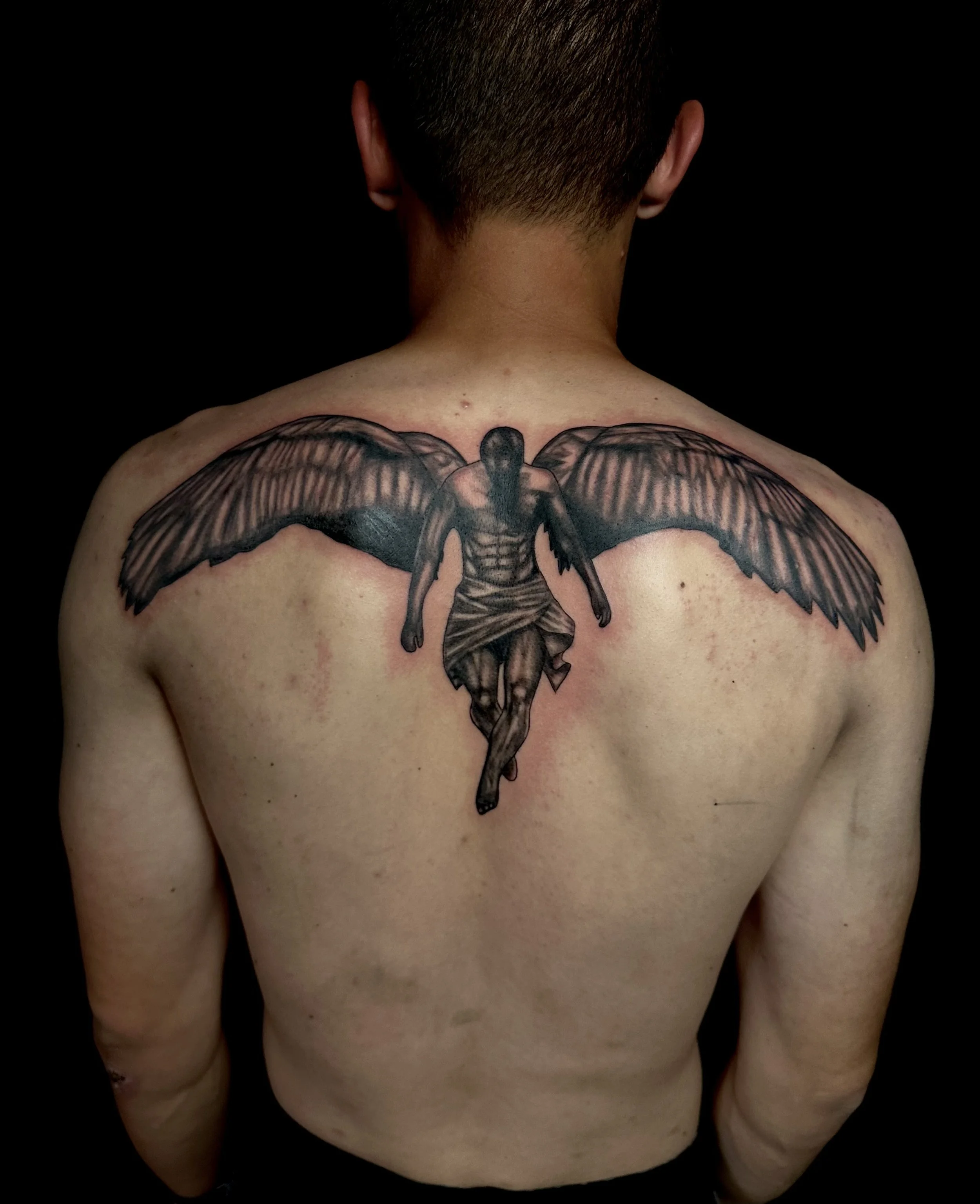
Getting a tattoo is exciting, but it also comes with one important responsibility: protecting your tattoo while it heals. One of the most common questions people ask is:
“How long after a tattoo can you swim?”
It’s crucial to avoid swimming with a new or healing tattoo, as this helps prevent damage, fading, and infection caused by exposure to chlorinated water and bacteria.
Whether it’s a pool, the ocean, a lake, hot tub, or even a long bath, submerging a fresh tattoo too early can damage the artwork and put you at risk of infection. Your new body art is essentially a fresh wound, and it needs proper care and protection to prevent infection during the healing process. This guide explains everything you need to know before getting back in the water.
How Long After Getting a Tattoo Can You Swim?
Most tattoo artists recommend waiting 2 to 4 weeks before swimming. It is generally recommended to wait this period, but healing time can vary depending on individual factors and aftercare.
This is the time your skin typically needs to close, peel, regenerate, and form a protective new layer. A healing tattoo is essentially an open wound, and water exposure can trap bacteria and chemicals inside your skin.
Some tattoos—especially large pieces, color-heavy designs, or tattoos located on high-movement areas—may require even more time. Tattoo size can influence healing time, and for some people, it may take up to four weeks or even two to six weeks for full healing.
You should only swim once your tattoo has healed completely, which means all redness, itching, scabbing, and flaking have resolved and the skin looks smooth and fully regenerated.
Why You Should Never Swim With a Fresh Tattoo
Submerging a healing tattoo is dangerous for both your skin and your ink. Chlorine exposure, especially from swimming pools, can damage a healing tattoo and increase the risk of irritation and fading. Here’s why artists strongly warn against it:
Water Exposure Increases Infection Risk
Any body of water—be it a bathtub, swimming pool, or natural bodies of water such as lakes, ponds, and oceans—can introduce bacteria to your healing tattoo. Public pools, in particular, can harbor harmful bacteria and pool chemicals that increase the risk of bacterial infections.
Water Can Damage Your Tattoo
Soaking your tattoo can cause scabbing to soften and fall off prematurely, leading to patchy ink and faded colors. Additionally, exposing your tattoo to water—especially chlorinated or salty water—can diminish the ink's vibrancy, making the tattoo appear less vivid over time.
Water Slows Down Healing
Excess moisture can prevent your tattoo from forming a proper protective layer, delaying the healing process.
Chemicals and Contaminants Irritate Skin
Chlorine, salt, and contaminated natural water sources can cause redness, rashes, and inflammation. Harsh chemicals in pools and hot tubs can further irritate the healing skin. Prolonged exposure to pool chemicals or saltwater can increase the risk of irritation and fading of your tattoo.
1. High Infection Risk
Swimming pools contain chlorine and bacteria.
The ocean contains microorganisms, salt, and sand.
Lakes and rivers contain algae, runoff, and germs.
All of these can enter your tattoo before the skin fully seals.
2. Tattoo Fading or Blurring
Waterlogged skin can cause fresh ink to lift, creating:
Faded patches
Uneven lines
Blurry areas
The need for touch-ups
Additionally, water exposure can diminish the ink's vibrancy, making your tattoo appear less vivid over time.
3. Delayed Healing
When a tattoo is soaked, scabs soften and fall off prematurely, interrupting the natural healing process.
Avoiding water exposure is crucial for a smooth healing process and to prevent complications such as infection, fading, or skin damage.
4. Skin Irritation
Chlorine, salt, and contaminated natural water sources can cause redness, rashes, and inflammation.
Tattoo Healing Stages and When Swimming Is Safe
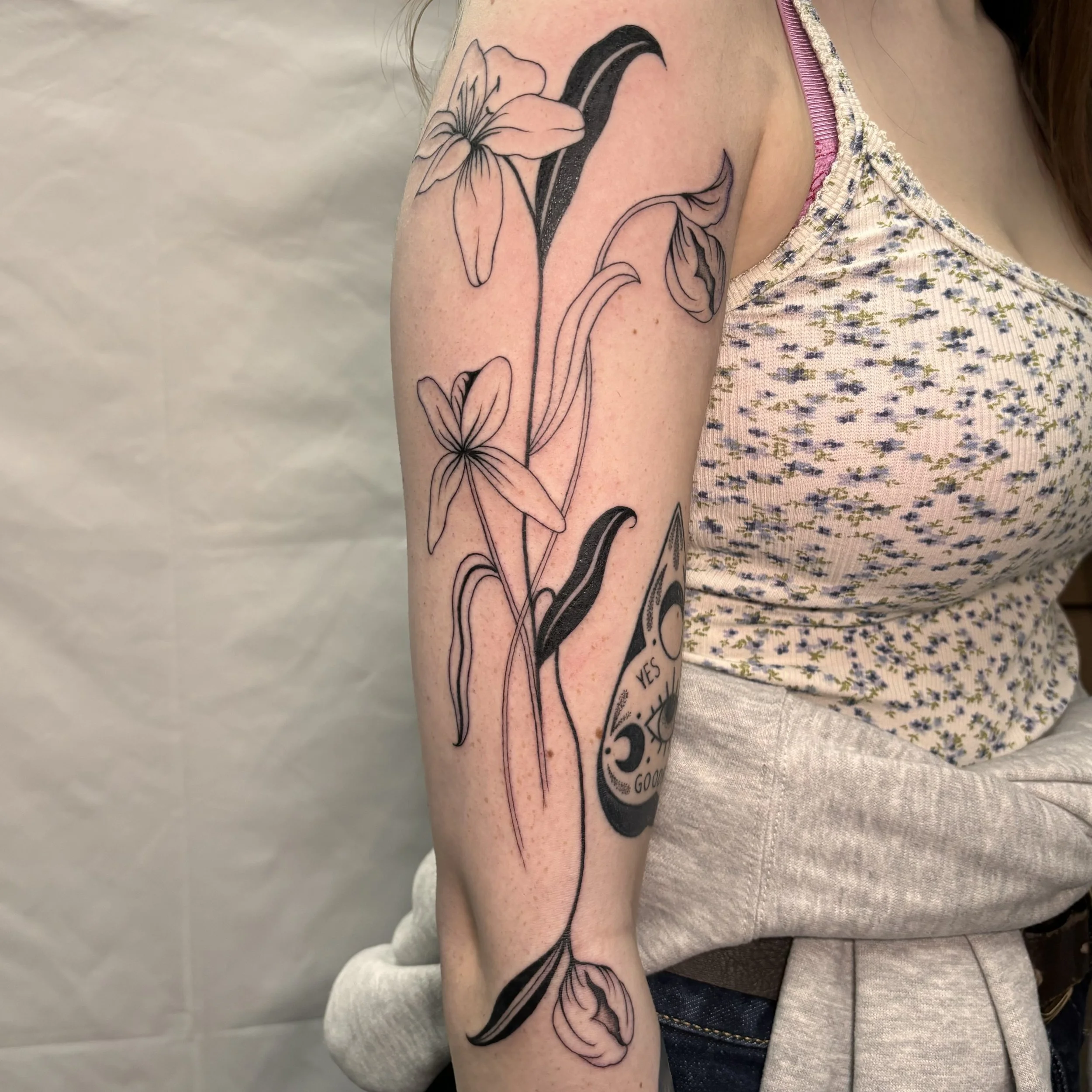
Every tattoo heals differently, but here’s a general timeline: Swimming is only safe once your tattoo is completely healed, as submerging a healing tattoo can lead to irritation or infection.
Week 1: Open Wound Phase
Redness
Tenderness
Fluid secretion
Initial scabbing
Swimming during week 1 is extremely unsafe.
Week 2: Peeling Phase
Your tattoo peels like a sunburn.
Still unsafe — open skin is still present.
Week 3: Surface Healing
Most peeling is done.
It may look healed, but deeper layers are still regenerating.
Week 4: Sealed Skin
Your tattoo may now look matte (not shiny), smooth, and fully closed.
This is the earliest most people can safely swim.
Can You Shower With a New Tattoo?
Yes — showering is safe. It is best to use lukewarm water and avoid warm water to prevent irritation and protect your tattoo.
But:
Keep showers short
Avoid soaking
Don’t let direct water pressure hit your tattoo
Pat dry gently
Use a clean towel to dry the tattoo
You can use a waterproof bandage to help protect your tattoo during showers, but it should not be relied on for swimming or prolonged water exposure.
Avoid getting the tattoo wet for prolonged periods, and always use mild soap to keep your tattoo clean and reduce the risk of infection.
Baths, jacuzzis, and swimming remain unsafe until your tattoo heals.
Signs Your Tattoo Is NOT Ready for Swimming
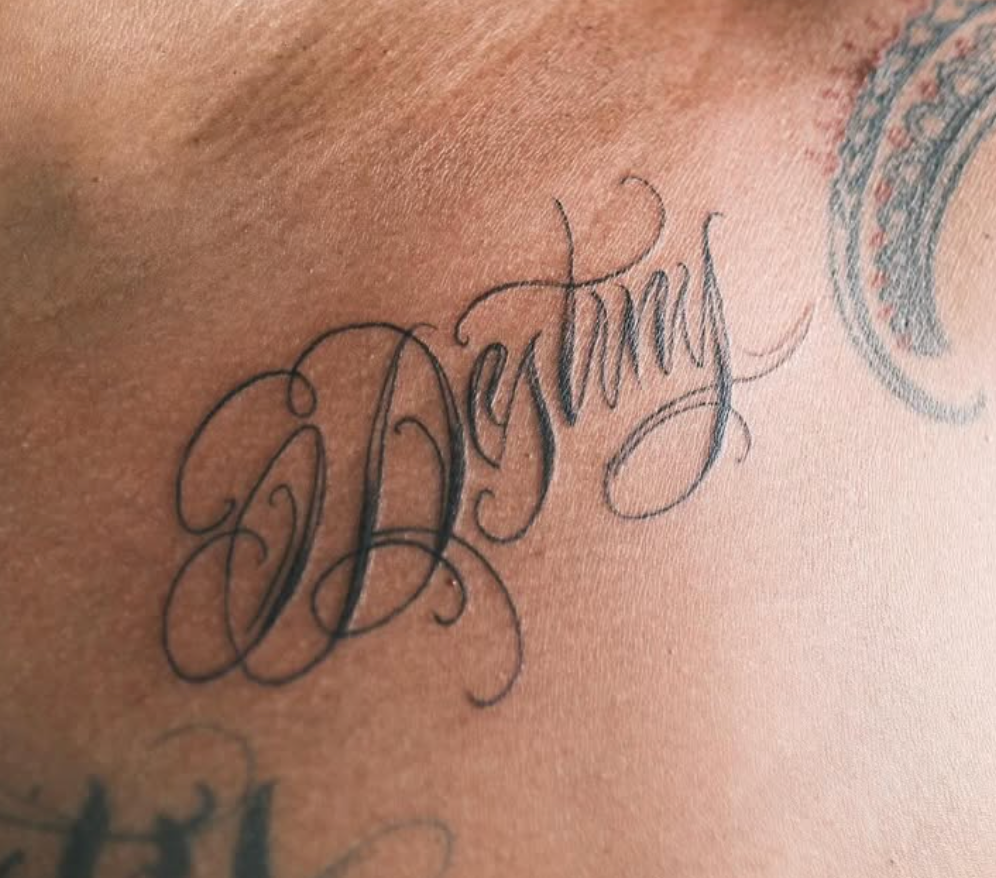
Do not swim if you see:
Shiny skin
Flakes or scabs
Redness
Oozing
Tenderness
Wrinkled-looking fresh skin
Itchiness
Any open areas
If anything looks “not fully healed,” wait longer.
What Happens If You Swim Too Early?
Swimming before your tattoo heals can cause:
Infection
Ink loss
Patchy or faded areas
Tattoo blowouts
Scarring
Swimming after getting a tattoo too soon, or if you start swimming before your tattoo is fully healed, increases the risk of these complications because exposing a fresh tattoo to water can introduce bacteria, cause ink to fade, and interfere with proper healing.
These issues may require medical treatment or expensive touch-ups.
Aftercare Tips to Speed Up Healing Before Swimming
Follow these steps to help your tattoo heal properly: Proper care is essential to keep your tattoo clean and hydrated, which helps prevent infection and supports the healing process.
Products such as second skin, waterproof dressing, and waterproof tattoo cover can offer temporary protection for your new tattoo if you must be exposed to water. These barriers help shield the tattoo from water, contaminants, and environmental factors during activities like swimming. However, they are not foolproof and do not provide complete waterproof protection. They should not be used as a substitute for allowing your tattoo to heal fully before swimming or submerging it in water.
Keep it clean
Use fragrance-free, antibacterial soap. For best results, use a gentle cleanser to avoid irritation and keep your tattoo clean.
Moisturize
Apply a thin layer of fragrance-free moisturizer or healing ointment. Do not over-moisturize — it slows healing. Keeping your tattoo hydrated with a thin layer of moisturizer supports the healing process.
Protect from the sun
Direct sunlight and UV rays can cause tattoo fading, damage fresh ink, and increase the risk of scarring, so it's important to shield your tattoo from the sun during the healing process. UV damage can affect color and healing. Apply sunscreen to healed tattoos before swimming to protect them from sun damage.
If you have questions about your healing process, seek personalized advice from your tattoo artist.
Wear loose, breathable clothing
Avoid friction on the tattooed area. If you must be around water before your tattoo is fully healed, consider using protective clothing such as waterproof bandages or coverings to help minimize water contact, though these are not entirely foolproof.
Swimming After a Tattoo Touch-Up
Touch-ups reopen the skin, meaning they follow the same rules as a fresh tattoo.
Wait 2–4 weeks again before swimming.
Final Advice From Professional Tattoo Artists
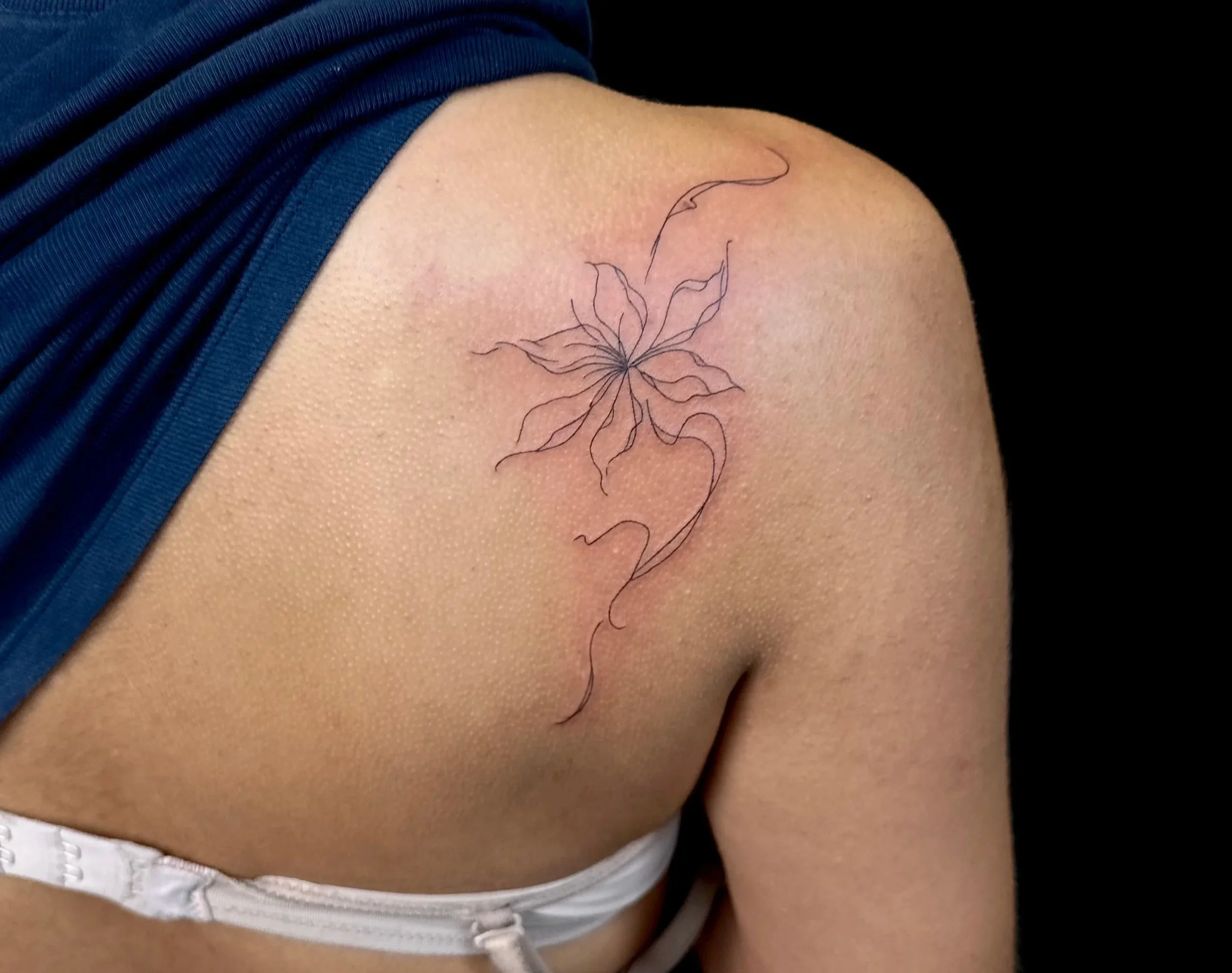
Healing is a crucial part of your tattoo journey. Waiting a few weeks before swimming protects your new ink, prevents infections, and ensures your tattoo stays vibrant for years.
If you’re ever unsure, always check with your tattoo artist — they understand your skin, your tattoo style, and your healing pace. Factors like your skin type, the body location of your tattoo, and whether you have larger tattoos can all affect healing time and aftercare recommendations.
